Top Skylight Myths Dispelled: What All Homeowners Need to Know
Many homeowners hold misconceptions about skylights, commonly perceiving them as causes of issues rather than advantages. Such misconceptions can result in reluctance when making well-informed choices. For instance, worries about leaking and climate management commonly surface. Yet, understanding the facts behind these beliefs has the power to alter opinions. As the subject develops, the genuine merits of skylights can become more apparent, encouraging homeowners to reevaluate their stance on this architectural feature.
Understanding Skylight Energy Efficiency
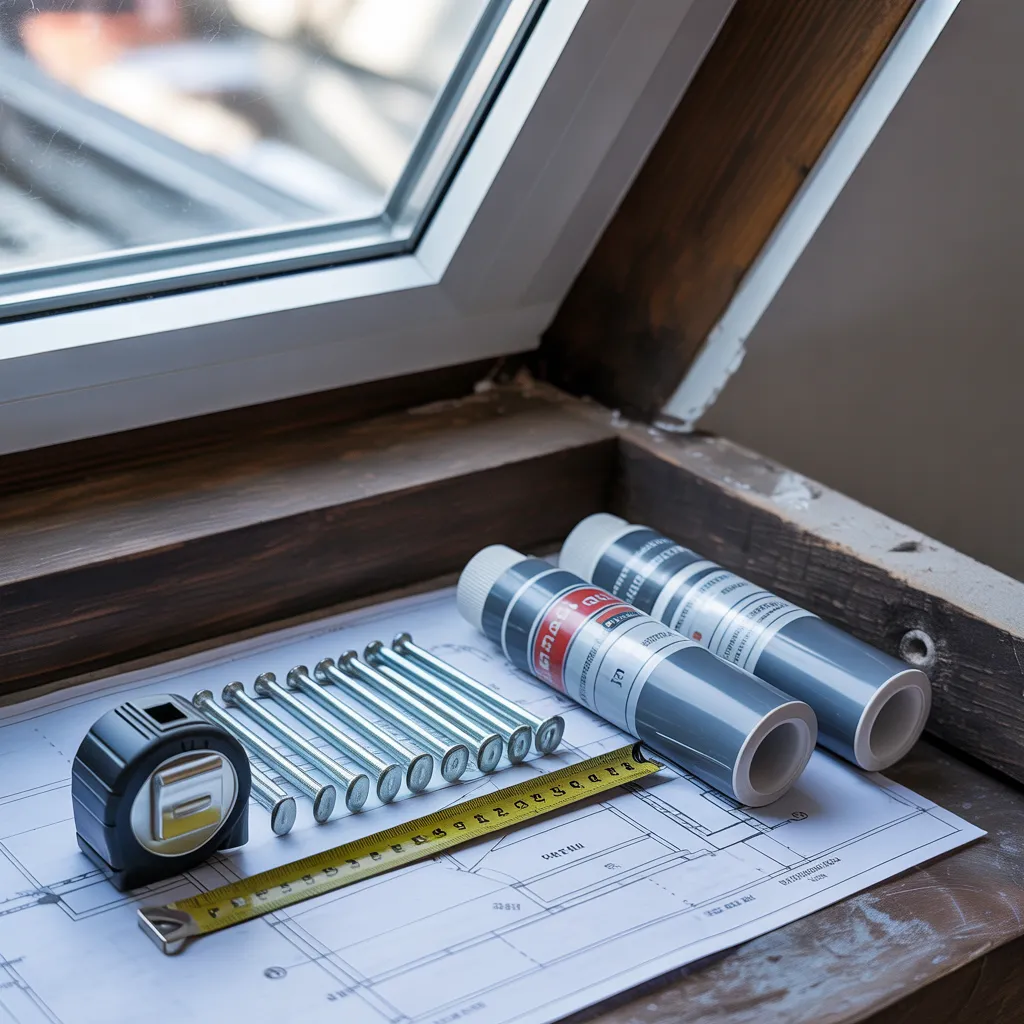
While many homeowners think that skylights may result in considerable energy inefficiency, studies reveal a more complex reality. The performance of skylights primarily relies on their materials, design, and installation position. Modern skylights are often equipped with advanced glazing technologies that minimize heat transfer, significantly enhancing energy efficiency. Furthermore, well-placed skylights are capable of maximizing natural daylight, decreasing dependence on artificial lighting and likely decreasing electricity bills.
Evidence shows that strategic placement of skylights can also promote better air circulation, which may lead to decreased energy needs for temperature regulation. However, it is vital for homeowners to opt for energy-efficient models and guarantee proper installation to achieve the best results. The common myth of skylights as energy drains can overshadow their potential advantages, making it necessary for homeowners to gain insight into the technology behind modern designs and their implications on energy consumption in homes.
The Effect of Skylights on Indoor Temperature
Skylights can greatly affect a home's temperature by bringing in natural light, which may lead to increased heat gain during warmer months. That said, when planned and fitted with energy efficiency in mind, they can also promote better insulation and reduced energy costs. Grasping these principles is important for homeowners considering skylights as a means to improve comfort while optimizing energy efficiency.
Thermal Gain Considerations
Introducing sunlight into a home can significantly impact its temperature dynamics. Skylight installations, while adding decorative value, can also cause increased heat gain, particularly in hotter seasons. Light coming in through skylights can increase indoor temperatures, especially if the fixtures do not have sufficient glazing or insulation. Homeowners should consider the placement and dimensions of skylights, as these aspects significantly affect how much heat is retained. Southward-oriented skylights tend to collect greater amounts of sunlight throughout the day, potentially causing uncomfortable heat levels. To minimize excess thermal absorption, appropriate installation methods and shading solutions, such as interior shades or blinds, are essential. Recognizing these heat-related aspects is vital for property owners looking to balance natural light with indoor comfort.
Energy Saving Advantages
Natural light is a key factor in enhancing a home's energy efficiency. When correctly installed, skylights can significantly decrease dependence on artificial lighting, resulting in reduced energy use throughout the day. Through enabling natural sunlight to reach interior rooms, skylights can assist in managing indoor temperatures. In colder months, they can capture sunlight to warm up living areas, while in warmer months, advanced glazing options minimize heat gain, keeping homes cooler. Additionally, well-placed skylights improve ventilation, allowing hot air to escape, further contributing to a comfortable indoor climate. By thoughtfully incorporating skylights into their home design, homeowners can benefit from reduced energy costs and a greener living space. Therefore, skylights provide a persuasive option for achieving greater energy efficiency.
Can Skylights Lead to Leaks?
Among homeowners contemplating skylights, worries about leaks are quite prevalent, the right installation and upkeep can significantly reduce these problems. Skylights commonly carry a reputation for leaking because of where they sit on the roof, leaving them vulnerable to rain, snow, and various weather conditions. However, when installed by professionals who adhere to manufacturer guidelines, the likelihood of leaks markedly decreases. Superior flashing and sealant products are vital components that work together to block water from entering.
Moreover, selecting the right components for the skylight itself, such as high-quality acrylic or double-pane glass, can increase waterproofing and durability. It is important to note that disregarding basic maintenance tasks, like cleaning and inspecting seals, can lead to issues over time. Therefore, while skylights can occasionally result in leaks, thoughtful decisions and thorough installation oversight can effectively eliminate this problem for many property owners.
How to Care for Your Skylight
Maintaining a skylight demands regular attention to confirm its longevity and peak performance. Homeowners should commence their maintenance program by evaluating the skylight for any signs of damage, such as breaks or seepage. Wiping down the glass surface periodically with a non-abrasive cloth and a mild detergent can help reduce residue formation that may hinder the flow of daylight. In addition, inspecting the flashing and gaskets around the skylight is critical to confirm they stay secure and functional against moisture infiltration.
You should also make it a point to remove any debris, including leaves or branches, that might collect on the roof or near the skylight. Confirming proper drainage will prevent water pooling, which can lead to potential leaks. Finally, scheduling a professional inspection every few years can help identify any underlying issues before they become significant problems, confirming the skylight continues to enhance the home's interior and energy efficiency.
Choosing the Right Skylight Style for Your Home
What steps can homeowners take to identify the skylight style that best fits their needs? The first step is to consider the architectural character of the home. Homes with a traditional aesthetic may be well served by fixed skylights, whereas contemporary designs could pair nicely with tubular or vented alternatives. Next, considering the room's purpose is essential; for instance, a kitchen might require a vented skylight for ventilation, whereas a living room could focus on aesthetics with a fixed skylight.
Light control is another critical factor. Property owners should consider their need for controllable light levels, a goal that can be accomplished with functional skylights. Moreover, the local climate conditions are an important factor; locations prone to heavy precipitation may demand more robust, weather-resistant options.
Last but not least, budget constraints should not be overlooked. Homeowners should evaluate the costs of installation and maintenance against the benefits of different skylight options, making sure they select an option that matches both their financial situation and preferences.
Why You Should Consider Installing Skylights
The installation of skylights delivers a wide range of advantages that can enhance any home. They substantially enhance natural light, resulting in a brighter and more welcoming environment. This increase in sunlight can elevate mood and decrease dependence on artificial lighting, resulting in possible full information energy savings. Additionally, skylights can provide ventilation, permitting hot air to leave and cool air to move through, leading to a more enjoyable interior climate.
Beyond that, they can elevate the beauty of a home, adding architectural interest and increasing property value. Many homeowners appreciate that skylights can make compact or dimly lit areas feel larger and more open.

Questions Our Clients Often Ask
Can Skylights Boost My Home's Resale Value?
Skylights have the ability to boost a property's resale value by enhancing natural light and visual appeal, establishing a welcoming environment. Nevertheless, the true rise in value often is influenced by buyer preferences, market trends, and location.
Is It Possible to Install Skylights in Any Room?
Skylights may be added in various rooms, including kitchens, bathrooms, and living areas. That said, elements such as roof pitch, structural support, and local building regulations should be taken into account for successful installation and functionality.
Do Skylights Exist That Are Made Specifically for Flat Roofs?
Yes, there are skylights specially engineered for flat roofs. These fixtures boast a low-profile design and proper drainage systems, guaranteeing efficient water management while boosting natural lighting and visual appeal in spaces with flat roofs.
What Is the Safe Way to Clean My Skylight?
To clean a skylight safely, one should use a gentle cloth or sponge with a gentle detergent. Stay away from harsh chemicals, and consider using a ladder or extending tools to securely reach elevated areas.
What Is the Lifespan of a Skylight?
A skylight's lifespan usually spans 10 to 20 years, influenced by the choice of materials, quality of installation, and ongoing maintenance. Regular inspections can help extend longevity and prevent issues such as leaks or deterioration.